South KoreaFully funded
Global Korea Scholarship (GKS)
Korean government scholarship covering tuition, living allowance, language training and airfare.
 Asia · Study Destination New
Study where tomorrow’s technology is built
Home to global brands in technology, automotive and entertainment, South Korea pairs high-quality education with a vibrant student life. Universities offer English-taught degrees, Korean language pathways and the fully funded Global Korea Scholarship (GKS).
Fast, high-tech and safe, with excellent public transport, affordable student dormitories and a lively campus culture.
Also budget for visa fees, health insurance, flights, accommodation deposits and your first month’s expenses. Your counsellor will prepare a full cost breakdown for your chosen university.
IELTS / TOEFL for English-taught programmes; TOPIK level 3–4 or higher for Korean-taught programmes.
D-2 (degree) or D-4 (language training) visa
Receive your admission letter and certificate of admission
Prepare financial documents to meet the embassy requirement
Apply for a D-2 (degree) or D-4 (language) visa at the Korean Embassy
Travel to Korea
Apply for your Alien Registration Card within 90 days
D-2 students can work part-time with permission from immigration, usually around 20 hours per week during term (more during vacations), depending on language level and study stage.
Graduates can apply for a D-10 job-seeking visa, then switch to an employment visa (such as E-7) with a job offer.
Examples of institutions students apply to — your counsellor will build a shortlist that fits your profile.
Korean government scholarship covering tuition, living allowance, language training and airfare.
Main intakes are: March (Spring) & September (Fall). We recommend starting your application 6–10 months before your chosen intake.
Typical tuition is Approx. USD 4,000 – 10,000 per year. Living costs: Approx. KRW 800,000 – 1,200,000 per month.
You will need: D-2 (degree) or D-4 (language training) visa. LeadX prepares your complete file and guides you through each step.
D-2 students can work part-time with permission from immigration, usually around 20 hours per week during term (more during vacations), depending on language level and study stage.
Graduates can apply for a D-10 job-seeking visa, then switch to an employment visa (such as E-7) with a job offer.
IELTS / TOEFL for English-taught programmes; TOPIK level 3–4 or higher for Korean-taught programmes.
Fees, intakes, work rights and visa rules are indicative and change regularly. Your LeadX counsellor will confirm the latest official requirements for your chosen university and programme.
Book a free consultation and get a personalised plan: universities, costs, scholarships and visa steps.
 New
Asia
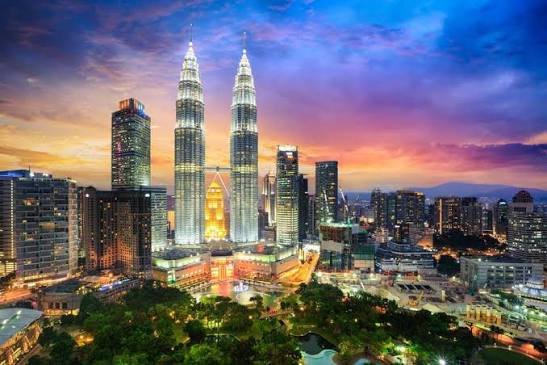
Malaysia
World-class degrees at Asian prices

 Europe
Türkiye
Where Europe meets Asia

 New
Europe
Albania
Europe’s most affordable new study option

 Europe
Cyprus
Republic of Cyprus (South) — EU member state, European qualifications
New
Europe
North Cyprus
English-taught degrees on the Mediterranean, with generous scholarships
 New
Asia
Azerbaijan
Low tuition and strong engineering & oil-and-gas programmes